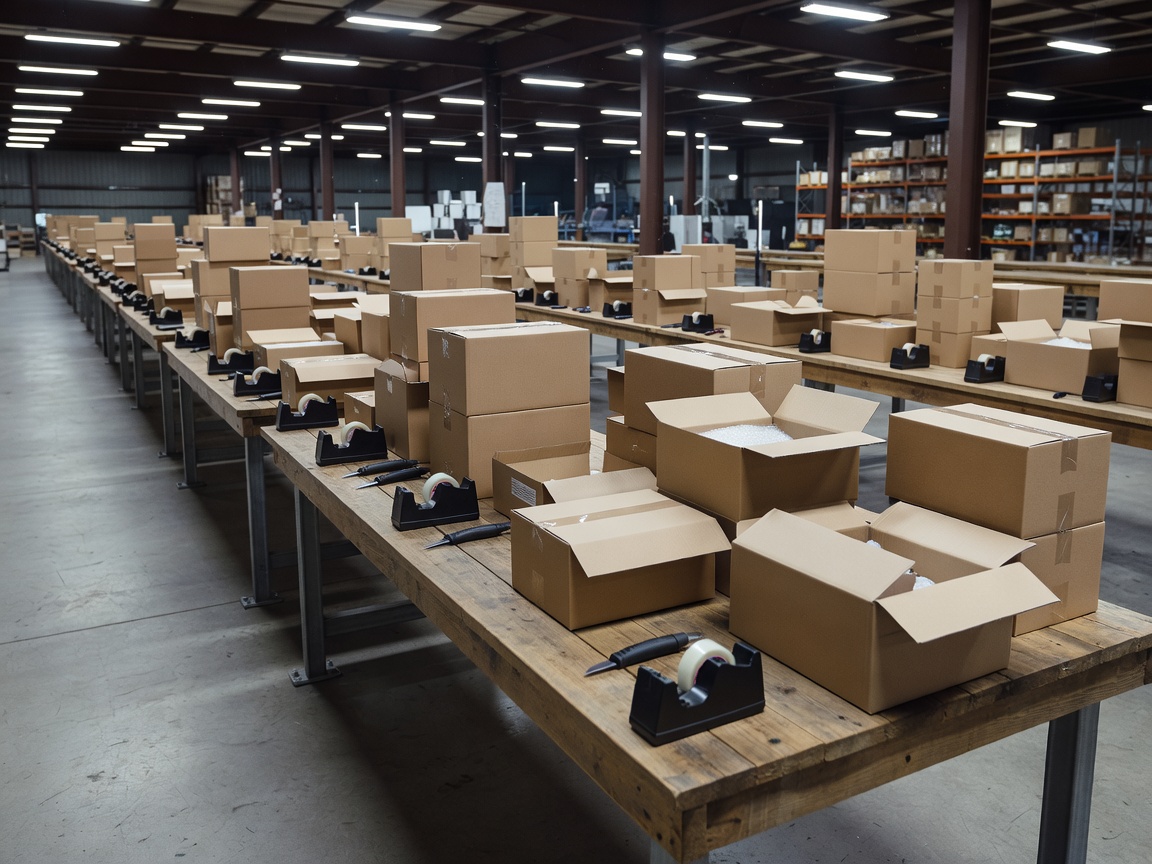
Fulfillment is the handling of stock and orders through a warehouse operation. Distribution is the wider movement of goods through a network toward customers, stores or other nodes. The terms overlap in practice, but they describe different parts of the flow.
Warehousing and fulfillment are not the same
Warehousing primarily describes holding goods, controlling their location and enabling access to inventory. Scope can include receipt, storage, stock records and release. A warehousing agreement may not include consumer-order processing, packing, labels or returns.
Fulfillment usually includes the work needed to process an order: inventory allocation, picking, packing, labelling and dispatch coordination. The service may also cover inbound receiving, stock visibility and returns. Confirm the exact boundary. A provider may offer only selected steps, and the customer may retain responsibility for systems, packaging, carrier booking or customer service.
From inbound delivery to available inventory
Receiving starts when cargo arrives. The operation checks the delivery against expected information, records discrepancies and directs goods to the next step. Clear inbound references, packaging standards and exception rules reduce ambiguity. Agree who reports shortage, damage or unidentified stock, and what evidence is needed.
Inventory registration connects physical goods to a system record. Identifiers can include item codes, lot details, serials or other attributes required by the business. The right data depends on the product and traceability needs. Put-away then moves stock to a defined storage location. A system should make the location and available quantity visible to the responsible parties.
Storage positions need to support the item profile and access frequency. Fast-moving lines may require a different location strategy from reserve stock. Any replenishment process between reserve and pick locations should be understood, including how stock is counted and how discrepancies are resolved.
Order processing sequence
- Order capture: an order enters the agreed system or transfer process.
- Allocation: stock is assigned according to availability and agreed rules.
- Picking: the required goods are selected from storage.
- Checking and packing: quantities and presentation are checked; suitable packaging is applied.
- Labelling: order, carrier or regulatory labels are produced where required.
- Dispatch: consignments are staged and handed to a carrier or next node.
Order batching groups multiple orders for a coordinated picking run. It may reduce repeated travel in some layouts, but adds sorting and verification needs. Batch rules should reflect order mix, cut-off arrangements and the risk of mixing goods. Do not assume a batching method will suit every product or service promise.
Returns and inventory visibility
Returns reverse part of the flow. A return process can include receipt, identification, condition assessment, restocking, quarantine or onward disposition, depending on the product and agreed policy. Set decision ownership and the data passed back to the seller. Returned items do not automatically become saleable inventory.
Inventory visibility can mean stock balances, order states, exceptions, movement history or downloadable reports. Ask how often information is updated, how adjustments are recorded and which roles can access it. Visibility is useful only when its definitions and update responsibilities are clear.
Choose a fulfillment model
Dedicated fulfillment
Inventory and workflows are arranged around one organisation’s needs. It can provide greater process control, but the organisation may carry more responsibility for space, systems, staffing or fixed commitments.
Shared fulfillment
Resources and facilities may serve multiple clients. It can suit variable or developing operations, but service scope, stock segregation, data access and peak-period rules need close review.
Regional distribution
Inventory is positioned to support a defined market or transfer network. It may change replenishment and delivery legs, while adding stock allocation and inter-site coordination requirements.
Cross-docking
Inbound cargo moves toward outbound dispatch with limited storage. It can fit planned transfers, but relies on timing, matching data and workable dock schedules.
Good for
Use this guide when an operation is moving from storage-only to order processing, splitting tasks between a seller and warehouse, or comparing dedicated and shared models. It is also useful for outlining a service request in operational language.
What to check
- Map ownership for inbound booking, receiving, discrepancies, inventory records and put-away.
- Specify order feeds, system connections, cut-offs, allocation logic and exception communication.
- Define pick methods, packing materials, labelling requirements and dispatch handover.
- Agree how returns are inspected, recorded and dispositioned.
- Ask how inventory reports are produced, corrected and accessed.
- Confirm charges, responsibilities and service terms directly; no prices or performance figures are assumed here.
Advantages and limitations
Outsourced fulfillment can provide access to established processes and shared infrastructure, but it adds dependencies on agreed integrations, data quality and operational communication. In-house handling can keep processes close to the business, while requiring its own people, space, systems and management. Neither model is universally better. Evaluate total scope and control alongside cost and flexibility.
NEXT STEP / WORKFLOW SCOPE
Write down each handover.
Define system events, ownership and exceptions across the order journey.